




By Team Muscletrail
08 September, 2025



 1
1


0 Items in your cart INR 0
you have saved a total INR 0
By Team Muscletrail
08 September, 2025
A healthy digestive system is the basis of strong living. It decides how well the body uses food and how much energy we have every day. Many people struggle with bloating, gas, or low stamina without knowing the cause. For some, gluten is one of the main triggers. Avoiding it can improve digestion and help the body stay active.
Protein plays a central role in this balance. It is not only for muscles but also for overall strength, recovery, and energy. When protein comes without gluten, it becomes even more powerful for those with sensitive stomachs.
Gluten is found in wheat, barley, and rye. Some people digest it with ease, but others feel discomfort. Gluten sensitivity can cause stomach cramps, bloating, and tiredness. Over time, poor digestion reduces nutrient absorption, which lowers energy levels. Even people who are not diagnosed with celiac disease often feel lighter and more energetic when they reduce gluten intake.
For athletes, professionals, or even busy parents, poor digestion can slow daily progress. If the stomach is not working well, the whole body feels the effect. This makes gluten-free protein supplements even more important.
Protein repairs tissue, builds muscles, and keeps immunity strong. It is also needed for enzymes that help the stomach break down food. Without enough protein, energy falls, recovery slows, and strength declines. Choosing the right type of protein ensures the body gets all these benefits without side effects.
When digestion works smoothly, protein is absorbed better. This means the body gets maximum value from the food or supplements consumed. For long-term wellness, the type and quality of protein make a huge difference.

Gluten-free protein is gentle on the stomach. It avoids irritation and allows nutrients to move smoothly into the bloodstream. Better digestion means better fuel for workouts, studies, or long workdays. People who switch to gluten-free protein often notice less bloating and more consistent energy throughout the day.
This kind of protein is also flexible. It fits into shakes, snacks, or meals without causing heaviness. Over time, small changes like this lead to stronger energy and improved health.
Heavy meals with gluten often leave people tired and unfocused. A snack or gluten-free protein shake does not cause this crash. It contains amino acids which get released slowly into the body. The outcome is sustained energy to work long hours, study, or train.
Protein provides balanced stamina as opposed to a quick sugar fix. This is the reason why most fitness coaches will recommend constant protein consumption over high-carb snacks, which contribute to sudden energy loss.
The gut has trillions of good bacteria that affect digestion, mood, and energy. Gluten can sometimes disturb this system. Clean protein, free from gluten, supports gut bacteria instead of stressing them. With time, digestion becomes smoother, bloating reduces, and nutrient absorption improves.
A balanced gut also impacts focus and mood. When digestion works well, the brain also feels sharper and calmer. This shows how protein choices affect more than just physical health.
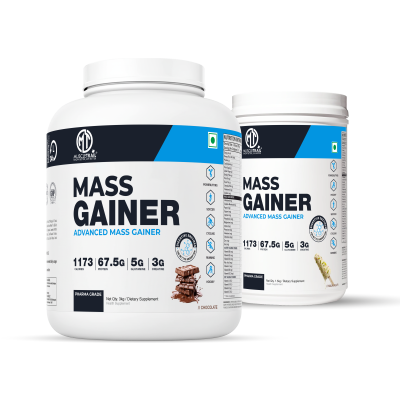
Not every product is made the same. Quality matters for both health and results. A gluten-free protein supplement offers clean nutrition without unnecessary fillers that upset digestion. For people looking to build size, combining it with protein supplements for weight gain is helpful. This pairing adds both protein and calories in a way the stomach can handle comfortably.
Reading labels and choosing trusted brands prevents problems. A good supplement should be clear about ingredients and quality checks.
Recovery and energy need more than just protein. Sleep, rest, and other nutrients also matter. For example, ZMA supplements support deep sleep and balanced hormones, which improve recovery and strengthen digestion. Restful nights give the gut time to reset and prepare the body for the next day.
Other helpful nutrients include fiber, probiotics, and vitamins. These support the gut lining and make digestion even smoother when taken alongside gluten-free protein.
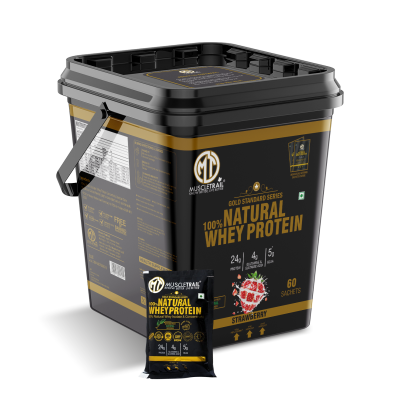
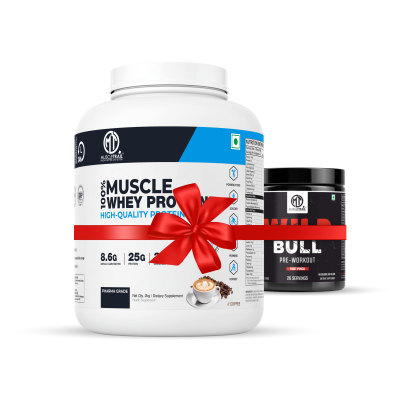
Whey protein is popular because it digests quickly and delivers essential amino acids. But not every whey product is made clean. Some contain additives that upset the stomach. Choosing the right whey protein ensures purity and easy digestion. Used alongside gluten-free protein, it gives the body a strong mix of fuel for strength and wellness.
Whey is especially useful after workouts. It provides quick recovery fuel, while gluten-free blends support lasting energy. Together, they cover different needs of the body.
Performance depends on more than just training. Digestive discomfort can lower focus and reduce stamina. Many athletes choose gluten-free protein because it avoids these issues. It keeps energy stable, reduces bloating, and supports recovery. With clean nutrition, they can push harder and perform at their best.
Even casual gym-goers notice the change. With better digestion, workouts feel lighter, and energy levels stay steady throughout the day.
Trust matters when picking supplements. Muscle Trail focuses on products that are safe, effective, and designed with health in mind. The brand offers gluten-free protein options that fuel strength without harming digestion. With a clear focus on quality, Muscle Trail helps athletes, fitness fans, and everyday people get results with confidence.
By keeping nutrition clean and simple, Muscle Trail supports both fitness goals and long-term wellness. Customers know they are choosing products that respect both body and health.
The value of gluten-free protein goes beyond sports and training. Office workers can avoid afternoon drowsiness. Students can focus better during long study sessions. Older adults can enjoy improved digestion and energy for daily activities. Families can also add gluten-free protein to meals to make nutrition simple and healthy for everyone.
Even children and teens can benefit when guided by a health expert. Early habits build strong foundations for lifelong energy.
It’s easy to include gluten-free protein in daily meals. A scoop can go into smoothies, shakes, oatmeal, or even homemade snacks. After a workout, a shake helps with recovery. At breakfast, it can be mixed into recipes for a stronger start to the day. With regular use, energy improves, digestion feels lighter, and stamina increases.
Consistency is key. Adding protein a few times daily ensures the body always has fuel to work, recover, and grow.
Digestive health shapes long-term wellbeing. Poor digestion can weaken immunity, cause nutrient gaps, and lower energy over time. Choosing gluten-free protein now builds a stronger foundation for the future. Smooth digestion, steady energy, and balanced recovery all add up to a healthier life.
Protein is vital, but the source matters. For those sensitive to gluten, a gluten-free protein supplement makes a big difference. It reduces discomfort, improves digestion, and supports both fitness and energy. Pair it with clean options like whey protein from trusted brands such as Muscle Trail, and the results become even better. With the right choices, anyone can build a lifestyle that feels healthier, stronger, and more active each day.

© 2023 All Rights Reserved by Muscle Trail
Have a cookie : )
By clicking “Accept All Cookies”, you agree to the storing of cookies on your device to enhance site navigation, analyze site usage, and assist in our marketing efforts. For more information visit our

Thank You For Your Submission !

Please login to add to wishlist.

Thank You For Your Submission !


SUBSCRIBE MUSCLETRAIL
Never miss an update on quality products, nutrition, and healthy announcements. Subscribe to our newsletter for exciting offers and stay connected.
Note: A new country/region website selection will open in a new tab.
Enter Your Number
Start your fitness journey
Welcome to Muscletrail
Start your fitness journey
OTP Verification