


By Team Muscletrail
23 June, 2025



 1
1


0 Items in your cart INR 0
you have saved a total INR 0
By Team Muscletrail
23 June, 2025
Once you have had an intensive session at the gym, your muscles are not only tired, but actually torn microscopically. It is a natural result of strength training and resistance exercises, and the body's recovery results in muscle growth. However, to recover successfully and as fast as possible, the body needs the best nutrition and recovery proteins are very critical at this point.
The science behind muscle growth after exercise is crucial to athletes, bodybuilders, and fitness enthusiasts. The important thing is not what you do in the gym, but what you supply your body with after the gym makes all the difference. A proper amount of protein following an exercise session can lead to quick recovery, less muscle pain, and better performance during future sessions.
When working out, especially in strength or High-Intensity Interval Training (HIIT) the muscle fibres experience mechanical stress. This causes microscopic damage and activates the body's healing mechanism. Protein, which is the major muscle-building block, plays an important role in this repair process.
Proteins when taken after exercises are broken down into amino acids which can then be used by the body to reconstitute and repair fibers. This is referred to as the muscle protein synthesis (MPS), a significant biological role through which muscles repair and grow.
Individuals concerned about gaining lean tissue and increasing performance must consider adding post workout recovery protein into their diet plan.
Fitness professionals sometimes tend to speak about ‘anabolic window’, that is, a period following training (usually 30-60 minutes) when nutrient assimilation is at its highest. Eating high-quality post workout protein within this period makes sure that your muscles get the nourishment they require at the time when they are most open to it.
Missing this period of recovery may lead to delayed muscle repair, a prolonged soreness of the muscles, and in severe cases, loss of muscles. This is why incorporating post workout recovery protein into your post-training regimen creates a literal difference concerning your progress.
There’s no one-size-fits-all when it comes to post-workout nutrition. Various protein types cater to different recovery needs:
1. Whey Protein Isolate
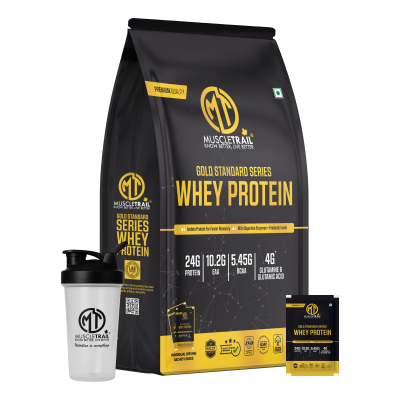
Whey isolate is fast-digesting and rich in branched-chain amino acids (BCAAs) like leucine, which kickstart muscle protein synthesis. It’s an ideal choice for those looking to maximize gains and recovery quickly.
2. Casein Protein
Unlike whey, casein digests slowly and provides a sustained release of amino acids. This makes it excellent for nighttime recovery or as part of a longer recovery cycle.
3. Plant-Based Proteins
For those on a vegan or lactose-free diet, pea, rice, and soy proteins are effective alternatives. When combined, these proteins provide a complete amino acid profile.
4. Blended Proteins
Blends offer the benefit of both fast and slow digestion, ensuring immediate and extended support for muscle repair. This makes them versatile options for those with varied recovery timelines.
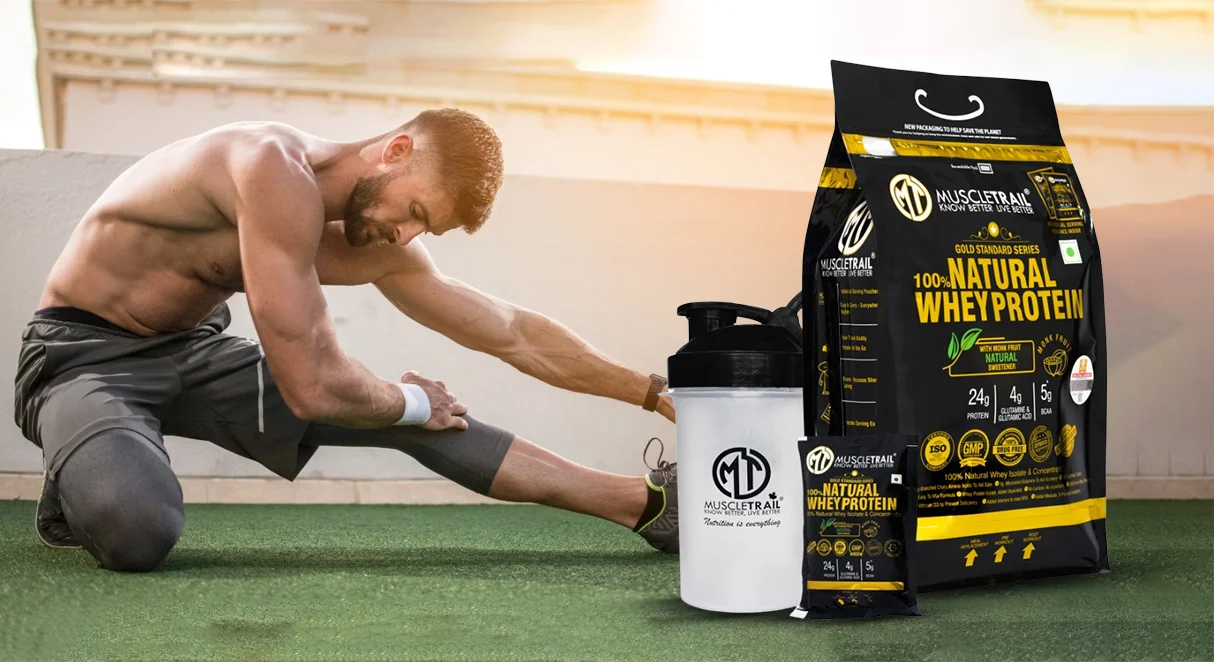
Integrating post workout recovery protein into your diet offers numerous advantages, especially if you train regularly or are working toward specific body composition goals.
1. Accelerated Muscle Repair
By rapidly supplying the amino acids required for tissue repair, recovery proteins reduce downtime between workouts and support consistent training schedules.
2. Increased Muscle Mass
Muscle growth occurs when protein synthesis surpasses muscle breakdown. Consuming protein post-exercise tilts the balance in favor of growth, especially when paired with resistance training.
3. Reduced Muscle Soreness
Delayed onset muscle soreness (DOMS) can significantly impact your next training session. High-quality post workout supplements, especially those enriched with BCAAs and glutamine, help reduce inflammation and speed up muscle healing.
4. Improved Performance
Regular use of post workout protein powder helps improve strength and endurance over time, allowing you to push harder and break through training plateaus.
While understanding the benefits of protein is key, avoiding common mistakes is equally important.
When choosing a post workout recovery protein, quality should be a top priority. Look for brands like Muscle Trail that offer clean labels, no unnecessary additives, and a complete amino acid profile. Whether your goal is lean muscle gain, fat loss, or improved athletic performance, the right supplement can make all the difference.
Here’s what to check before making your purchase:
At Muscle Trail, we understand that every rep counts and every drop of sweat should lead to progress. That’s why our line of post workout recovery protein products is designed with both performance and recovery in mind.
Our formulations are engineered for rapid absorption, clean digestion, and optimal muscle support — helping you bounce back faster and train harder. Whether you need a fast-digesting whey isolate or a recovery-focused protein blend, we’ve got you covered.
Muscle growth doesn’t happen in the gym — it happens during recovery. And for that recovery to translate into tangible results, your body needs the right fuel. A high-quality post workout protein, taken at the right time, offers your muscles the essential building blocks to repair, grow, and strengthen.
So the next time you finish a workout, don’t just cool down and head out. Refuel smartly with a reliable post workout protein powder and give your body what it truly needs to grow stronger, session after session.
Whether you're a beginner or a seasoned athlete, never underestimate the power of targeted post workout supplements — they might just be the missing link in your fitness journey. Explore premium recovery proteins at Muscle Trail and unlock your true potential.
© 2023 All Rights Reserved by Muscle Trail
Have a cookie : )
By clicking “Accept All Cookies”, you agree to the storing of cookies on your device to enhance site navigation, analyze site usage, and assist in our marketing efforts. For more information visit our

Thank You For Your Submission !

Please login to add to wishlist.

Thank You For Your Submission !


SUBSCRIBE MUSCLETRAIL
Never miss an update on quality products, nutrition, and healthy announcements. Subscribe to our newsletter for exciting offers and stay connected.
Note: A new country/region website selection will open in a new tab.
Enter Your Number
Start your fitness journey
Welcome to Muscletrail
Start your fitness journey
OTP Verification