










By Team Muscletrail
28 June, 2023



 1
1


0 Items in your cart INR 0
you have saved a total INR 0
By Team Muscletrail
28 June, 2023
Ever heard about this trendy term called 'keto diet?' You must have crossed paths with this term if you are into fitness, as people who are on a keto diet never forget to boast about it.
Basically, keto refers to a low-carb, high-fat ketogenic diet, and in this diet, you can eat all the fat that you want, and you will never feel hungry again. The keto diet is primarily a weight-loss program that is aimed at boosting your overall athletic performance.
Let's get into more detail about the keto diet.
If you think that the ketogenic diet has emerged recently, then you need to think again! The origin of the keto diet dates back to the 1920s, and hence, it's not a recently discovered way of eating.
As for why the need for a ketogenic diet emerged, is because it was considered a treatment for people who suffered from Epilepsy following research that suggested fasting helped in the reduction of seizure activity.
It should be noted that medical professionals still practice these ketogenic patterns, apart from the surge in popularity we witness on social media regarding this diet.
The major principle of the ketogenic diet is to reduce the consumption of carbohydrates and increase fat intake, which puts the body in a state of ketosis. In this state, the body burns fat for energy instead of glucose, leading to weight loss and potential health benefits.
Given the fact that glucose is the simplest form of energy even before your body turns to stored fat for fuel, the reduction of carbs ignites that. However, while following a keto diet, it's important to monitor protein intake and stay hydrated.
A ketogenic diet puts your body in a state of nutritional ketosis, which is a metabolic process that is aimed at increasing the production of ketones, ultimately becoming the primary energy source for the body. But what are ketones?
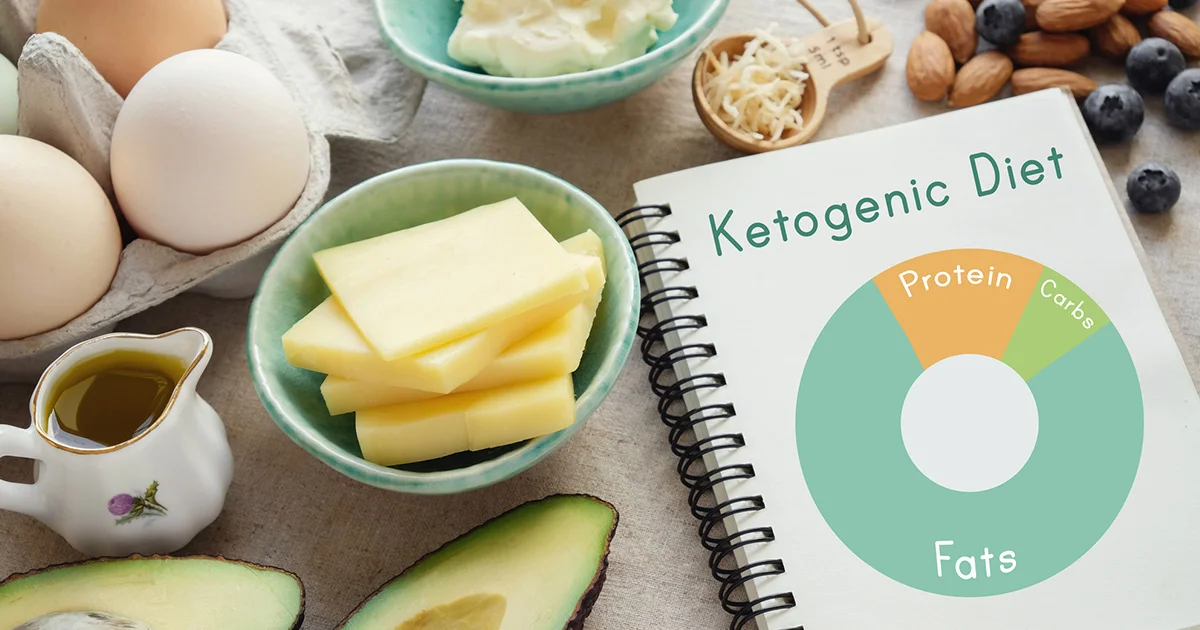
The major reason behind following a ketogenic diet is to increase the production of ketones. Hence, they hold some significance! Ketones are a byproduct of the fat breakdown in the liver. These water-soluble components are produced naturally by our liver on a regular basis, even when we sleep. However, one thing that slows down the production of ketones in the body is our daily consumption of carbs and protein. Thus, halting the consumption of carbs and protein results in a significant surge in the production of ketones.
When we are on a keto diet, our body shifts to fat as the primary source of energy, ramping up the production of ketones by the liver. However, the consumption of too much protein in your diet can result in the reduction of ketone production. This ultimately results in increased difficulty in reaching and maintaining ketosis.
Now you know the true ketogenic diet will include a restricted amount of protein and carbs.
1. Focus on consuming high amounts of healthy fats like avocados, nuts, and olive oil.
2. Restrict your carbohydrate intake to less than 50 grams per day.
3. Eat plenty of protein-rich vegetarian foods, and if you are unable to obtain the required amount of protein from your diet, then you can include a whey protein supplement, but make sure not to overdo it.
4. Include low-carb vegetables such as spinach, broccoli, and cauliflower into your meals.
5. Avoid the consumption of processed foods and sugary drinks.
6. Stay hydrated by drinking plenty of water and herbal tea.
7. Before jumping onto following the keto diet, you must consider monitoring your ketone levels to ensure you are in a state of ketosis.
8. You can consider intermittent fasting to enhance the benefits of the ketogenic diet.
There is certainly no denying that a ketogenic diet can be a healthy option for some people but not for all. Due to the fact that the origin of the ketogenic diet was a kind of therapy, this diet can be a bit restrictive and comes with a plethora of hurdles for an average person to begin with.
These are some of the reasons why a keto diet might not be the best for you:
- Strict limitations on carbohydrates can be difficult to maintain over time.
- Some individuals may experience negative side effects such as nausea, fatigue, and constipation.
- Certain medical conditions may make the keto diet unsuitable for some people.
- It's important to consult with a healthcare professional before starting any new diet or making significant changes to your eating habits.
- The best diet for you will depend on your unique needs and goals, so find a personalized approach that works best for you.
Did you like the information about the keto diet? Stay tuned with Muscle Trail, and we'll keep equipping you with the most essential information you require to stay fit.

© 2023 All Rights Reserved by Muscle Trail
Have a cookie : )
By clicking “Accept All Cookies”, you agree to the storing of cookies on your device to enhance site navigation, analyze site usage, and assist in our marketing efforts. For more information visit our

Thank You For Your Submission !

Please login to add to wishlist.

Thank You For Your Submission !


SUBSCRIBE MUSCLETRAIL
Never miss an update on quality products, nutrition, and healthy announcements. Subscribe to our newsletter for exciting offers and stay connected.
Note: A new country/region website selection will open in a new tab.
Enter Your Number
Start your fitness journey
Welcome to Muscletrail
Start your fitness journey
OTP Verification